
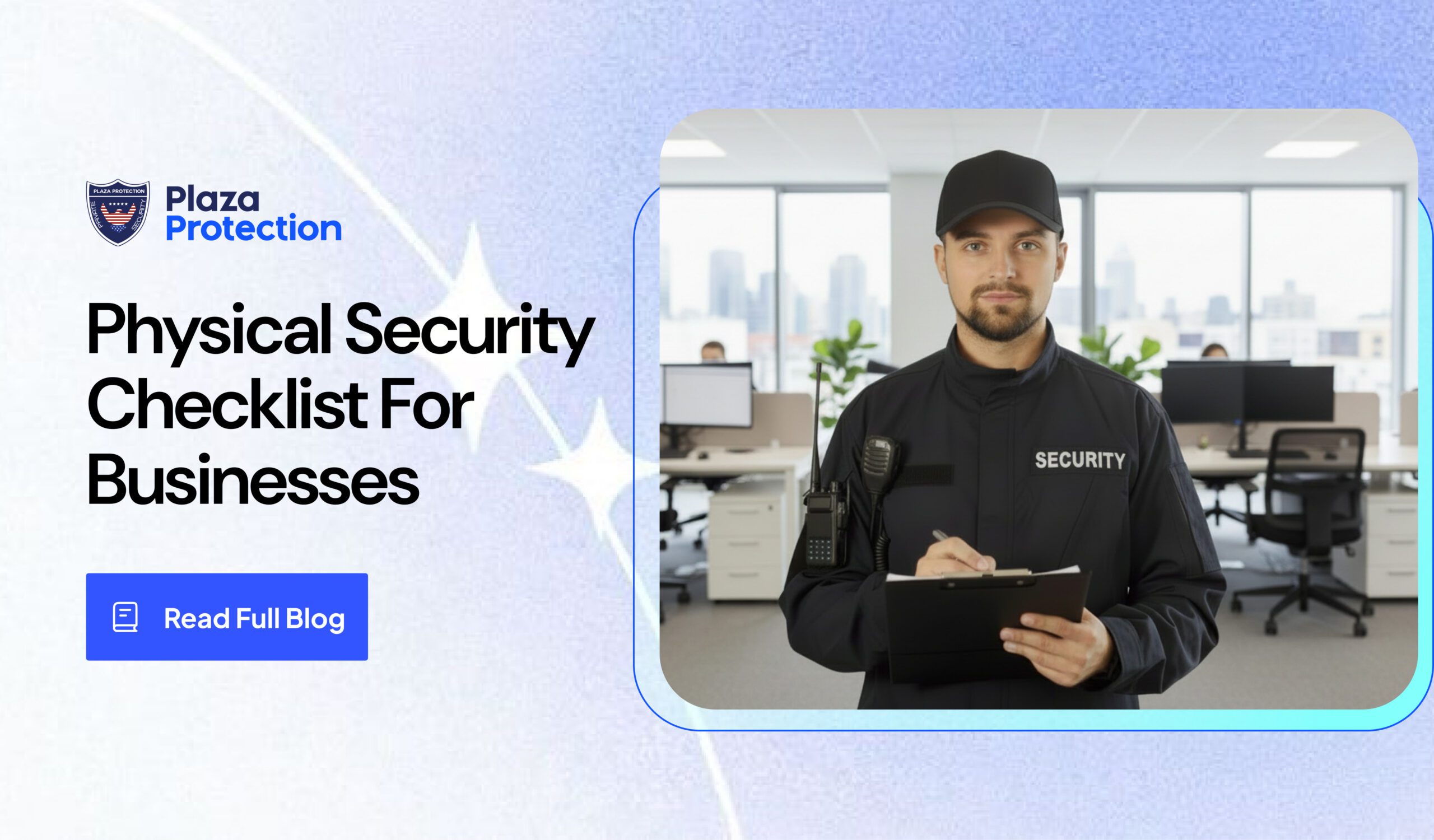
Security cameras, alarm systems, and access controls are valuable tools, but they are only effective if they are properly maintained and regularly reviewed.
Many businesses invest in security measures and then assume everything is working as intended. Unfortunately, small vulnerabilities often go unnoticed until an incident occurs.
A physical security checklist helps businesses identify weaknesses before they become costly problems.
Why a Physical Security Checklist Matters
Security risks can change quickly. New employees, facility upgrades, equipment, operating hours, or changes to your property can create vulnerabilities that were not there before.
A regular physical security assessment checklist helps businesses identify weaknesses before they become costly incidents. It can strengthen employee safety, reduce theft and vandalism risks, protect valuable assets, and improve emergency preparedness.
Think of a physical security review as preventive maintenance for your business security program.
1. Inspect Building Entrances and Exits
Start with every door, gate, and access point. Check that locks work properly, emergency exits remain accessible, and after-hours access is controlled. Visitor access should also be monitored to prevent unauthorized entry.
A single unsecured entrance can create an avoidable security gap.
2. Review Access Control Measures
Your building security audit checklist should include who has access to your property and restricted areas. Review employee access permissions, keys, access cards, visitor procedures, and controls around sensitive spaces.
The goal is simple: the right people should have access to the right areas.
3. Evaluate Security Camera Coverage
Cameras can provide valuable visibility, but only when positioned and maintained properly. Review coverage around entrances, parking areas, loading docks, storage spaces, hallways, and other critical locations.
Check for blind spots and confirm that cameras are functioning and recording as expected.
4. Assess Exterior Security
Walk the property from the outside and look at it from a security perspective. Check fencing, gates, lighting, landscaping, parking areas, and perimeter visibility.
Poor lighting, blocked sightlines, and unsecured areas can make a property more vulnerable.
5. Check Alarm Systems
An alarm is only useful when it works when you need it. Regularly check alarm functionality, monitoring, backup power, emergency contacts, and employee procedures.
Make sure everyone who needs to respond knows what to do when an alarm is triggered.
6. Review Employee Security Practices
Technology and security equipment cannot replace good security habits. Employees should understand visitor procedures, suspicious activity reporting, access rules, and emergency procedures.
A strong security culture helps turn employees into another layer of protection.
7. Inspect High-Value Asset Protection
Identify where your most valuable equipment, inventory, cash, technology, and sensitive information are located. Storage rooms, server rooms, inventory areas, and cash-handling spaces may require additional controls or monitoring.
Your physical security checklist for businesses should always prioritize the assets that would have the greatest impact if compromised.
8. Evaluate Emergency Preparedness
Security planning should extend beyond theft and unauthorized access. Review evacuation procedures, emergency contacts, fire safety equipment, first-aid resources, and employee training.
You can also review emergency preparedness strategies to identify areas where your response plan can be strengthened.
9. Review Security Guard Coverage
If your business uses professional security guards, review whether your current coverage still matches your property’s needs. Consider patrol frequency, coverage areas, after-hours protection, visitor management, and incident reporting.
The right security presence can provide something cameras cannot: trained professionals who can observe, respond, and take action when needed.
Conducting a Physical Security Risk Assessment
A physical security risk assessment goes beyond checking doors, cameras, and alarms. It looks at your property’s threats, vulnerabilities, valuable assets, and potential impact of an incident.
Ask yourself: Where are we most vulnerable, what could go wrong, and how quickly could we respond?
The answers can help you prioritize security improvements instead of spending money on measures that may not address your biggest risks.
For a deeper assessment, review this physical security risk assessment guide.
How Often Should You Conduct a Physical Security Audit?
A quarterly review is a practical starting point for many businesses, but your security needs may call for more frequent assessments. Reevaluate your property after a security incident, facility expansion, major staffing change, new equipment installation, or change in operating hours.
Security should evolve as your business evolves.
Final Thoughts
A strong security program is not built around a single camera, alarm, or access system. It requires ongoing evaluation and continuous improvement.
Using a physical security checklist helps businesses uncover vulnerabilities, improve safety, and stay proactive rather than reactive.
At Plaza Protection, we help businesses conduct comprehensive security assessments, identify potential risks, and develop customized protection strategies that fit their unique operations.
👉 Ready for a professional security audit?
Partner with Plaza Protection to evaluate your current security measures and strengthen your security strategy. Book a free on-site risk assessment or request a free quote today and discover how proactive security audits can help safeguard your business.

Leave A Comment