
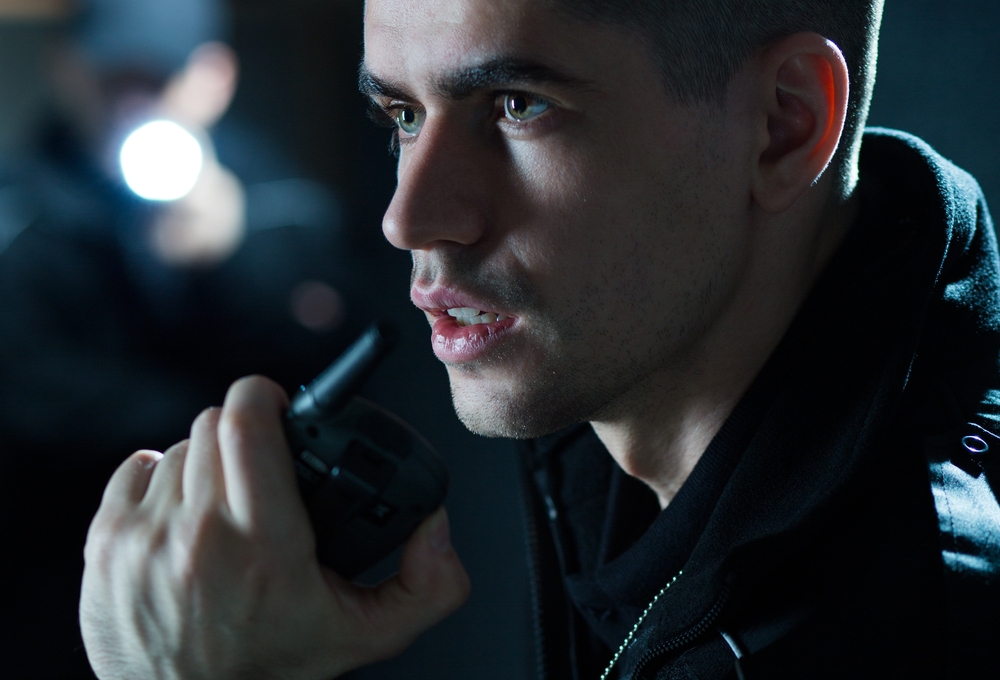
When most employees have gone home and businesses become quieter, security risks don’t disappear—they can become harder to detect.
Dark parking lots, empty buildings, restricted areas, loading docks, construction sites, and poorly lit property boundaries can create opportunities for theft, vandalism, trespassing, fire hazards, and other incidents.
That’s why an effective night patrol security checklist is more than a list of doors to lock.
A well-planned night patrol gives security guards a systematic way to inspect vulnerable areas, identify unusual activity, document problems, and escalate incidents before they become larger security threats.
In this guide, we’ll cover:
- What security guards should check before starting a night patrol
- The most important areas to inspect
- What suspicious activity to look for
- How to handle security and safety hazards
- What guards should document after each patrol
- How technology can improve patrol accountability
- A practical night patrol checklist you can adapt to your property
What Is a Night Security Patrol?
A night security patrol is a scheduled inspection of a property during evening or overnight hours.
Depending on the property, a patrol may be performed on foot, by vehicle, or through a combination of both.
The purpose isn’t simply to “walk around the property.”
A professional night patrol should help:
- Deter unauthorized activity
- Detect security vulnerabilities
- Identify suspicious behavior
- Verify doors, gates, and restricted areas are secure
- Identify safety and maintenance hazards
- Check security equipment
- Respond to incidents
- Create an accurate record of what happened during the shift
The exact patrol route and frequency should be based on the property’s layout, risk assessment, client requirements, and established post orders.
Why Are Night Patrols Important?
Nighttime can create conditions that make certain incidents harder to notice.
Reduced visibility, fewer employees on-site, quieter surroundings, and lower foot traffic can make it easier for unauthorized individuals to approach a property without being noticed.
A night patrol creates a visible security presence while giving guards an opportunity to identify problems that may not be obvious during the day.
For example, a guard may discover:
- An unlocked exterior door
- A damaged section of fencing
- A broken security light
- An unfamiliar vehicle
- An open gate
- Signs of forced entry
- A malfunctioning camera
- A water leak
- An obstructed emergency exit
- An unattended package
- Smoke or a burning smell
- Suspicious activity around a restricted area
A checklist helps prevent guards from overlooking these details.
Night Patrol Checklist: Before the Patrol Begins
A strong patrol starts before the guard leaves the security office or vehicle.
1. Review Post Orders and Patrol Instructions
Before beginning the patrol, the guard should review the property’s current post orders and any instructions specific to the shift.
Pay particular attention to:
- Designated patrol routes
- High-risk areas
- Restricted zones
- Recent incidents
- Temporary security concerns
- Areas requiring additional checks
- Emergency procedures
- Client-specific instructions
If something has changed since the previous shift, the guard should understand that change before beginning the patrol.
Why it matters
A patrol should be based on current conditions—not an outdated routine.
2. Check Patrol Equipment
Before leaving, verify that required equipment is available and functioning.
Depending on the assignment, this may include:
- Radio or approved communication device
- Flashlight
- Fully charged mobile device
- Identification
- Required protective equipment
- Keys or authorized access credentials
- Patrol verification device
- Incident report forms or digital reporting tools
A simple equipment check can prevent a problem later in the patrol.
3. Confirm Communication
The guard should verify that communication with the security office, supervisor, monitoring center, or designated contact is working.
Before starting, confirm:
- Radio/mobile communication is functioning
- Emergency contact information is available
- Backup communication procedures are understood
- Escalation procedures are clear
If a guard encounters an emergency alone at night, reliable communication can become critical.
4. Review Recent Incidents
The previous shift may have identified a problem that requires additional attention.
Review recent reports for:
- Unauthorized access
- Theft attempts
- Vandalism
- Suspicious vehicles
- Suspicious individuals
- Broken locks
- Alarm activations
- Lighting failures
- Equipment problems
- Maintenance hazards
This allows the guard to prioritize areas where risk is elevated.
Night Patrol Checklist: What Security Guards Should Check
Once the patrol begins, guards should follow a consistent route while remaining alert to conditions that fall outside the normal checklist.
5. Check All Primary Entrances and Exits
Doors and gates are among the first places a guard should inspect.
Check for:
- Unlocked doors
- Doors that don’t close properly
- Broken locks
- Damaged frames
- Signs of forced entry
- Propped-open doors
- Unauthorized persons
- Unusual objects near entrances
For commercial properties, also check loading entrances, employee entrances, side doors, and other less frequently used access points.
Don’t just check whether a door is closed.
A closed door can still have a damaged lock, broken frame, or other vulnerability.
6. Inspect the Property Perimeter
The perimeter is one of the most important parts of a night patrol.
Walk or drive the designated boundary and look for:
- Damaged fencing
- Cut or displaced fencing
- Open gates
- Broken locks
- Signs of climbing
- Holes or gaps
- Unauthorized vehicles
- Suspicious individuals
- Fresh damage
- Items placed near fences that could help someone climb over
Pay particular attention to areas that are hidden from normal visibility.
Why perimeter inspections matter
A breach in the perimeter can provide unauthorized individuals with an entry point into the entire property.
7. Inspect Parking Lots and Garages
Parking areas can become vulnerable after normal business hours.
Security guards should look for:
- Unauthorized vehicles
- Vehicles parked in restricted areas
- Suspicious occupants
- Broken windows
- Signs of attempted theft
- Damaged gates
- Poor lighting
- People loitering around parked vehicles
- Abandoned vehicles
- Unusual activity around entrances
Guards should also watch for hazards such as debris, spills, damaged pavement, and blocked emergency access routes.
8. Check Lighting
Good lighting is an important part of nighttime security.
During patrols, guards should identify:
- Burned-out lights
- Flickering lights
- Dark sections of parking lots
- Poorly illuminated entrances
- Shadowed areas around buildings
- Lighting failures near perimeter fencing
- Obstructed lighting
A security guard isn’t necessarily responsible for repairing lighting, but they should identify and report failures according to site procedures.
Remember:
A dark area isn’t automatically suspicious—but it can become a security vulnerability.
9. Inspect Windows and Other Access Points
Windows, service entrances, rooftop access points, basement entrances, loading bays, and utility areas may be overlooked during routine security checks.
Look for:
- Broken glass
- Open windows
- Damaged locks
- Signs of tampering
- Unusual objects
- Damage around frames
- Unauthorized access
These areas should be checked according to the property’s specific patrol instructions.
10. Check Restricted and High-Value Areas
Some locations require additional attention because of the assets or information they contain.
Depending on the property, these could include:
- Server rooms
- Electrical rooms
- Storage areas
- Warehouses
- Cash-handling areas
- Medication or controlled-storage areas
- Equipment rooms
- Mechanical rooms
- Construction storage areas
- Executive offices
The guard should verify that these areas are secured and look for signs of tampering or unauthorized access.
11. Check Security Systems
A night patrol should also verify that the property’s security infrastructure is operating as expected.
Depending on the site, check:
- CCTV cameras
- Alarm systems
- Access-control systems
- Intercoms
- Emergency communication equipment
- Security gates
- Intrusion detection systems
- Monitoring equipment
Guards should report equipment that appears damaged, offline, obstructed, or otherwise abnormal.
Important:
Security personnel should only operate security equipment according to their training and the property’s procedures.
12. Look and Listen for Unusual Activity
Night patrols require more than visual inspection.
Guards should use their surroundings to identify abnormalities.
Pay attention to:
Unusual sounds
- Breaking glass
- Machinery operating unexpectedly
- Alarms
- Repeated banging
- Voices in restricted areas
- Vehicles entering without authorization
Unusual movement
- People moving between buildings
- Individuals hiding from view
- Vehicles circling the property
- People near restricted areas
- Activity around parked vehicles
Unusual objects
- Unattended bags
- Tools left near access points
- Unknown packages
- Objects placed against perimeter fencing
- Items that appear out of place
The goal is not to assume that something unusual is criminal.
The goal is to notice, assess, document, and respond according to established procedures.
13. Look for Signs of Forced Entry or Tampering
A security guard should be alert for evidence that someone has attempted to access the property.
Potential indicators include:
- Damaged locks
- Scratched or damaged door frames
- Broken windows
- Cut fencing
- Missing security seals
- Tampered cameras
- Displaced equipment
- Damaged gates
- Fresh tool marks
- Items moved from their normal location
If a guard discovers suspected forced entry, they should follow the site’s incident-response procedures rather than entering a potentially compromised area unnecessarily.
14. Check for Fire and Safety Hazards
Night patrols can also identify conditions that create safety risks.
Look for:
- Smoke
- Burning smells
- Overheated equipment
- Blocked exits
- Fire doors that are improperly secured
- Leaking water
- Exposed wiring
- Spills
- Obstructed walkways
- Unsafe storage
- Damaged stairways
- Other hazards identified in the property’s post orders
Emergency conditions should be handled according to the property’s emergency response plan.
15. Inspect Commonly Overlooked Areas
One of the biggest weaknesses in security patrols is checking only the obvious areas.
Depending on the property, guards should pay attention to:
- Stairwells
- Alleys
- Loading docks
- Rear entrances
- Service corridors
- Trash areas
- Utility areas
- Rooftop access points
- Basement entrances
- Parking structures
- Storage yards
- Isolated sections of the property
These locations can have lower visibility and therefore deserve appropriate attention.
Night Patrol Suspicious Activity Checklist
If something doesn’t look right, don’t ignore it.
A guard may encounter:
- An unfamiliar person
- An unfamiliar vehicle
- Someone attempting to access a restricted area
- Someone hiding or avoiding contact
- A person photographing sensitive areas
- A vehicle repeatedly driving through the property
- Someone attempting to manipulate a lock
- An unknown package
- Signs of forced entry
The appropriate response depends on the situation and the property’s procedures.
A professional guard should:
Observe → Assess → Communicate → Document → Escalate when required
Avoid unnecessary confrontation when the situation can be handled safely through established procedures.
What Should a Security Guard Do When Something Is Wrong?
A checklist is useful only when it leads to the right response.
When an issue is discovered, guards should follow the property’s post orders and emergency procedures.
A general approach is:
1. Maintain personal safety
Don’t unnecessarily place yourself in danger.
2. Assess the situation
Determine whether the issue appears to be a maintenance problem, security concern, emergency, or another type of incident.
3. Notify the appropriate person
Contact the supervisor, client representative, monitoring center, or emergency service according to the site’s procedures.
4. Preserve relevant information
Record observations, times, locations, people, vehicles, and other relevant details.
5. Document the incident
Complete the required incident report or digital security report.
6. Follow up
Ensure the issue is communicated to the appropriate team for resolution.
Night Patrol Documentation Checklist
One of the most important parts of a patrol happens after the guard discovers something.
Every significant observation should be documented according to site requirements.
A useful patrol report can include:
- Date
- Time
- Guard name or identification
- Patrol location
- Checkpoint completed
- Observations
- Security incidents
- Maintenance issues
- Safety hazards
- Suspicious activity
- Photos when appropriate
- Actions taken
- Person notified
- Follow-up required
Good documentation creates an accurate record of what happened during the shift.
It can also help property managers identify recurring problems.
What Makes a Night Patrol Checklist Effective?
A good checklist shouldn’t simply create more paperwork.
It should make patrols:
Consistent
Every guard should know which critical areas need to be checked.
Risk-based
High-risk areas should receive appropriate attention rather than treating every location identically.
Actionable
The checklist should tell guards what to inspect and what to do when something is wrong.
Easy to document
Guards should be able to record observations quickly without spending excessive time completing administrative tasks.
Adaptable
A commercial office, apartment community, warehouse, construction site, and retail property shouldn’t all use exactly the same patrol checklist.
Digital Night Patrols: Improving Accountability
Traditional paper patrol logs can make it difficult for property managers to know whether patrols were completed accurately and on time.
Digital security patrol systems can provide additional visibility by allowing guards to record patrol activity electronically.
Depending on the system, digital patrol technology can support:
- GPS-based patrol verification
- Checkpoint verification
- Time-stamped patrol records
- Incident reports
- Photos
- Guard activity logs
- Real-time reporting
- Supervisor visibility
- Automated notifications
This creates a stronger connection between what a guard was instructed to check and what was actually documented.
Technology shouldn’t replace trained security personnel. Instead, it can help security teams create better accountability and more reliable records.
Night Patrol Checklist Template
Use the following as a starting point and customize it to the property’s post orders and risk assessment.
Before Patrol
- Review post orders
- Review recent incidents and shift handover
- Check radio or communication device
- Check flashlight
- Confirm required access credentials or keys
- Review patrol route
- Identify high-risk areas
- Confirm emergency contacts
Exterior and Perimeter
- Check perimeter fencing
- Check gates and locks
- Check for unauthorized access
- Look for signs of forced entry
- Inspect exterior doors
- Check windows
- Check loading docks
- Check rear and service entrances
- Identify lighting failures
Parking Areas
- Check parking lots
- Check parking structures
- Look for suspicious vehicles
- Look for unauthorized individuals
- Check for vehicle damage or break-in indicators
- Identify lighting or safety hazards
Interior Areas
- Check designated entrances and exits
- Check restricted areas
- Check storage areas
- Check stairwells and corridors
- Check utility/mechanical areas
- Look for signs of intrusion
- Look for unusual activity
Security Systems
- Check designated CCTV equipment
- Check alarms according to site procedures
- Check access-control systems
- Report malfunctioning equipment
- Document security system issues
Safety and Environmental Conditions
- Look for smoke or fire indicators
- Check for unusual smells
- Identify water leaks
- Identify spills
- Check for blocked exits
- Identify trip hazards
- Report other dangerous conditions
Suspicious Activity
- Check for unauthorized persons
- Check for suspicious vehicles
- Check for unusual movement
- Check for unattended items
- Follow site response procedures
- Notify the appropriate contact
- Document the incident
After Patrol
- Complete patrol log
- Record incidents
- Upload required photos
- Report maintenance concerns
- Report security system problems
- Notify supervisor/client when required
- Complete shift handover
Night Patrol Checklist by Property Type
The most effective checklist changes depending on what is being protected.
Commercial Buildings
Focus on:
- Entrances
- Offices
- Parking areas
- Server rooms
- Loading docks
- Restricted areas
- After-hours occupants
Apartment and Residential Communities
Focus on:
- Parking areas
- Building entrances
- Common areas
- Perimeter fencing
- Garages
- Pool areas
- Package areas
- Vacant units or restricted areas
Construction Sites
Focus on:
- Equipment
- Materials
- Temporary fencing
- Access gates
- Fuel storage
- Electrical systems
- Heavy machinery
- Unfinished structures
- Fire hazards
Warehouses and Industrial Properties
Focus on:
- Loading docks
- Storage areas
- Inventory
- Vehicle access
- Restricted areas
- Perimeter
- Machinery
- Shipping and receiving areas
Each property should have its own patrol priorities based on its security risk assessment.
10 Common Night Patrol Mistakes to Avoid
Even experienced security teams can become less effective when patrol procedures aren’t followed consistently.
Avoid:
1. Following a predictable pattern
If site procedures allow flexibility, varying patrol timing and routes can make security presence less predictable.
2. Ignoring minor issues
A broken light or damaged fence may appear insignificant, but it can become a larger vulnerability if left unresolved.
3. Checking only the obvious areas
Rear entrances, loading docks, stairwells, and isolated areas may require just as much attention as the main entrance.
4. Failing to document incidents
If it isn’t properly recorded, management may not have an accurate picture of what is happening on the property.
5. Ignoring previous shift reports
Recent incidents can indicate where additional attention is needed.
6. Treating every unusual situation as an emergency
Guards should assess situations and follow established escalation procedures.
7. Taking unnecessary risks
The objective of a patrol is to protect people and property—not to create additional danger for the guard.
8. Relying entirely on technology
Cameras and alarms provide valuable information, but physical patrols can identify conditions technology may miss.
9. Using the same checklist for every property
Security needs vary significantly between properties.
10. Focusing on completing the checklist instead of observing
A checklist is a tool—not a substitute for situational awareness.
How Often Should Security Guards Patrol at Night?
There is no single patrol frequency that works for every property.
The appropriate schedule depends on factors such as:
- Property size
- Location
- Crime risk
- Number of access points
- Asset value
- Occupancy
- Property layout
- Previous incidents
- Client requirements
- Security staffing
- Available technology
Some properties may require frequent foot patrols, while others may benefit from scheduled vehicle patrols supplemented by CCTV and access control.
The important principle is that patrol frequency should be based on risk rather than convenience.
Why Professional Night Security Patrols Matter
A checklist can tell a guard what to inspect.
Professional security personnel bring the training, judgment, observation skills, and response capabilities needed to act on what they find.
A trained security guard can:
- Conduct scheduled patrols
- Monitor access points
- Identify suspicious behavior
- Detect safety hazards
- Respond to alarms
- Document incidents
- Communicate with property management
- Escalate emergencies
- Provide a visible deterrent
For properties with significant overnight risks, professional security patrols can become an important part of a broader security strategy.
How Plaza Protection Supports Night Security Patrols
Plaza Protection provides professional security services designed around the specific risks and requirements of each property.
Our security teams can provide:
Foot Patrols
Security officers physically inspect designated areas, access points, parking areas, and other vulnerable locations.
Vehicle Patrols
Mobile patrols provide a visible security presence across larger properties and can cover multiple locations during a shift.
Access Control
Security personnel can monitor authorized entry, visitors, contractors, and vehicles according to site requirements.
Incident Reporting
Security incidents, unusual activity, safety concerns, and other observations can be documented and communicated to the appropriate stakeholders.
Real-Time Visibility
Plaza Protection’s client portal provides clients with visibility into security operations and patrol activity, helping property managers stay informed without having to be physically present on-site.
Customized Patrol Plans
Not every property requires the same patrol route or frequency. Plaza Protection can develop patrol procedures based on the property’s layout, risk profile, operating hours, and security objectives.
Final Thoughts
An effective night patrol security checklist should do more than remind a guard to check doors and windows.
It should create a systematic process for identifying security vulnerabilities, detecting suspicious activity, recognizing safety hazards, documenting incidents, and escalating problems appropriately.
The strongest approach combines:
Trained security personnel + risk-based patrols + clear post orders + consistent reporting + appropriate technology.
When these elements work together, night patrols become more than routine rounds. They become a proactive layer of protection for people, property, equipment, and business operations.
If your property needs reliable overnight protection, Plaza Protection can help develop a customized security patrol plan based on your specific risks and requirements.
Don’t wait for the morning to discover what happened overnight. Put a proactive night patrol strategy in place today.
Request a Free Security Assessment

This information is helpful and educational, I’m a security officer and would like to know every information so that I can utilise o. My team