
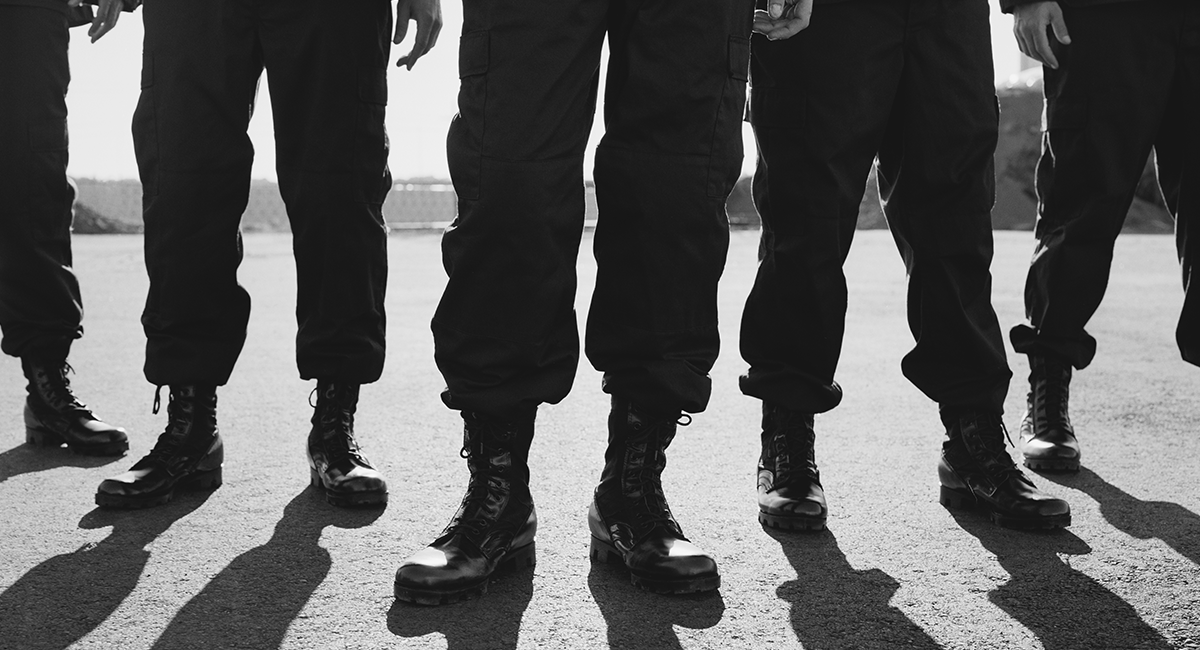
Security foot patrols remain one of the most effective tools a property has for preventing crime and catching problems early. A guard walking a property on foot notices things a camera or a vehicle patrol can miss, from a jammed door to a piece of equipment left running to someone testing a fence line for weak points.
But not all foot patrols are equally effective. What separates a patrol that genuinely protects a property from one that is just a guard walking a loop comes down to training, structure, and a clear set of operating principles. Below are the 12 principles that guide effective security foot patrols, along with why foot patrol remains one of the most valuable forms of coverage a property can invest in.
1. Prevention
The primary objective of security foot patrols is to prevent security breaches before they happen. This requires guards to be proactive rather than reactive, trained to identify suspicious activity or behavior and intervene before any harm occurs.
2. Surveillance
Foot patrol guards are responsible for observing their surroundings and watching for potential threats. This means staying alert at all times and using proven surveillance techniques to monitor the areas they are assigned to cover, not just walking past them.
3. Communication
Clear communication is central to effective security foot patrols. Guards need to report incidents, suspicious behavior, or potential threats to their team and their client promptly. Communication also extends to the public, since guards frequently need to give clear, professional instructions to visitors or employees.
4. Quick Response
Foot patrol guards must be able to respond immediately when something happens. This includes knowing how to react to fire alarms, medical emergencies, and other incidents, and how to escalate to the right authorities without delay.
5. Patrolling Techniques
Effective patrolling depends on technique, not just presence. Guards are trained in both random and regular patrol patterns. Random patrols use unpredictable routes and timing, making it far harder for anyone watching the property to anticipate a guard’s movements. Regular patrols follow a set pattern, offering a more visible and reassuring presence. The strongest patrol programs use a mix of both, depending on the property’s risk profile.
6. Knowledge of the Area
A foot patrol guard is only as effective as their understanding of the property. Guards need a detailed grasp of the site’s layout, its emergency exits, and the specific areas most vulnerable to criminal activity, such as isolated outbuildings, concealed entrances, or poorly lit corners. Knowing which spots carry the most risk allows a guard to plan their route and check those areas more frequently, and knowing the fastest route across a property lets them reach an incident without wasting time when a rapid response matters most.
7. Situational Awareness
Situational awareness means staying attentive to the environment, anticipating potential risks, and responding appropriately as conditions change. Guards build this skill through a combination of observation, training, and experience, and it is what allows them to notice when something is subtly wrong, whether it is a moved camera, a cut section of fencing, or a door that should be locked but isn’t.
8. Conflict Resolution
Guards on foot patrol will occasionally encounter conflict, whether that is a dispute between two individuals or a confrontation with someone who shouldn’t be on the property. Training in de-escalation techniques allows guards to handle these situations professionally, reducing the odds of a minor issue turning into something more serious.
9. Documentation and Reporting
When an incident occurs during a patrol, documentation matters. Guards need the skills to write clear incident reports, take photographs, and collect relevant evidence. This information supports investigations, strengthens insurance claims, and helps identify patterns that can prevent future incidents.
10. Teamwork
Foot patrol guards typically work as part of a broader security team. Being able to communicate and coordinate effectively with colleagues allows the team to respond to incidents as a cohesive unit rather than as individuals working in isolation.
11. Equipment and Technology
Modern foot patrol relies on more than a flashlight and a radio. Guards use tools such as two-way radios, body cameras, and dedicated guard management apps to verify checkpoints, document activity in real time, and stay connected to supervisors. Guards need proper training on this equipment, including its limitations, to use it effectively when it matters.
12. Customer Service
Foot patrol guards interact directly with employees, residents, and visitors throughout their shifts. Training in customer service ensures guards represent the property professionally, striking the right balance between approachable and authoritative.
Why Security Foot Patrols Outperform Other Patrol Types
Foot patrol is one of several patrol methods available, alongside vehicle patrol, cyber patrol using camera feeds, and observation post patrol from a fixed vantage point. Each has its place depending on the size and layout of a property, but foot patrol offers advantages that other methods can’t fully replicate.
A more personal, approachable presence. Guards on foot have direct interaction with the people on a property, which builds a sense of trust and community that a vehicle patrol, seen from a distance, simply cannot offer.
Faster detection in tight or congested spaces. A guard on foot can move through hallways, stairwells, and parking structures where a vehicle can’t easily go, and is not confined to a set route the way a vehicle patrol often is. That flexibility means threats and hazards get noticed sooner.
Better cost efficiency for many properties. Because foot patrols require less equipment and infrastructure than vehicle patrols, they are often a more cost-effective option, particularly for properties that aren’t large enough to justify a vehicle-based patrol program.
Foot patrol isn’t the right fit for every property. Large, sprawling sites such as warehouses, industrial parks, or expansive parking areas are often better served by vehicle patrol, or by a combined approach that uses both.
Conclusion
Effective security foot patrols come down to more than a guard walking a route. Prevention, surveillance, communication, rapid response, sound patrolling technique, and deep knowledge of the property all work together to keep a site secure. When these principles are applied consistently, foot patrol becomes one of the most reliable and cost-effective ways to protect people and property.
Hire Plaza Protection for Security Foot Patrols
Plaza Protection provides security foot patrols, along with vehicle patrol and fire watch services, throughout the San Francisco Bay Area. Our guards are trained across all 12 of these principles and are equipped with the technology and experience to deliver a security presence you can rely on.
Our proprietary client portal gives you real-time visibility into the patrol activity happening on your property, so you always know your site is covered.
To learn more about our security foot patrol services, contact Plaza Protection today or request a free quote.


Leave A Comment